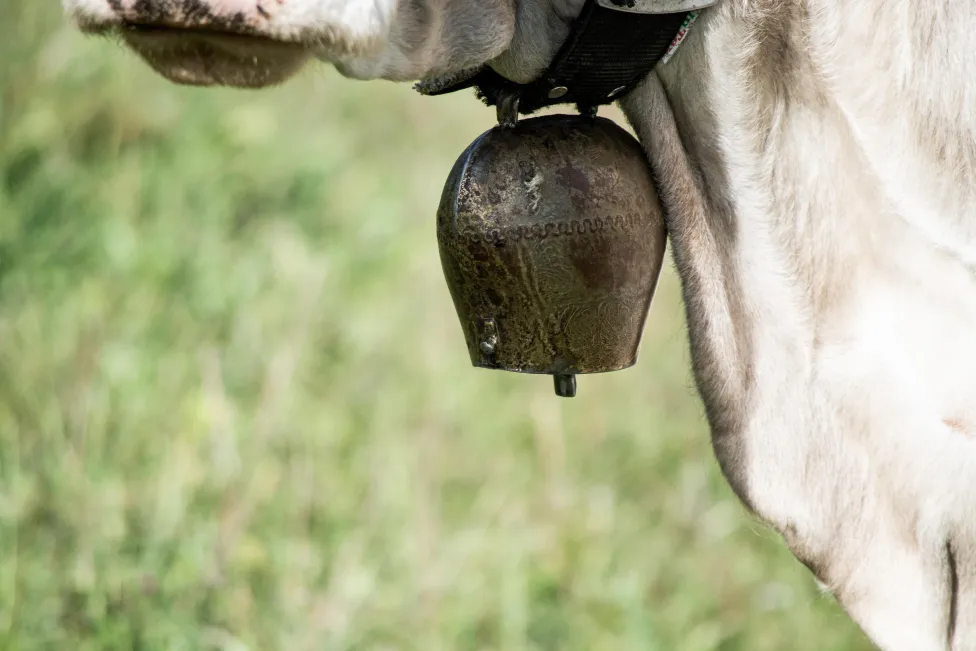
GPS Instead of Cowbells
Modern technology for animal welfare
Cowbells produce up to 113 dB right at the cow's ear, as loud as a chainsaw. ETH Zurich studies confirm: stress, reduced feeding, no habituation.
GPS collars are silent, affordable, and more effective. We call on the Bundestag: a binding phase-out of cowbells on subsidized alpine pastures by 2030.
Animal welfare is federal law.
Sign the PetitionWhere Cattle Wear Bells
Each summer, approximately 53,000 cattle are driven up to Bavaria's 1,450 alpine pastures (Almen), where they graze freely for up to six months, wearing bells the entire time. These cattle are split roughly evenly between Upper Bavaria and the Allgäu region.
Sources: Bayerisches Landesamt für Statistik (Nov 2024), Bavarian State Ministry for Food, Agriculture and Forestry (2020)
The Proposal: Replace Cowbells with GPS Tracking
Cowbells were used to locate cattle on Alpine pastures. Today, silent and animal-friendly alternatives exist. Our demand: a binding phase-out of cowbells on subsidized alpine pastures by 2030.
Cows have superior hearing sensitivity. Studies show: reduced feeding, less rumination, and no habituation to bell noise.
Residents and tourists experience constant bell noise – courts have already ordered bell removal in multiple cases.
Modern GPS trackers provide real-time location data via smartphone app – more effective than bells, especially in fog and at night.
Animal Suffering: The Hidden Cost of Tradition
"Tradition is never a justification for measures that impair animals' health."
– Frigga Wirths, Specialist Advisor for Cattle, Deutscher Tierschutzbund · Faszination Berge (translated)
"In the age of GPS, I would think twice about putting a bell on animals in the Alps."
– Julia Johns, ETH Zurich Researcher, 2021 · SRF (translated)
"A bell heavier than one-thousandth of the animal's weight is too large – it is animal cruelty."
– Samuel Büechi, President, IG Stiller, 2024 · SRF (translated)
"To subject an animal to something like this purely for tradition is completely unacceptable."
– Nicole Brühl, President, Deutscher Tierschutzbund Bayern, 2015 · Tagesspiegel (translated)
Cows' Hearing
Cattle hear far better than humans – a loud bell right next to their ear is far more distressing than we might assume.
Cow Hearing vs. Human Hearing
Frequency Range
Minimum Detectable Sound
Cows can hear sounds that are too quiet for humans to perceive, making them more vulnerable to loud noise exposure. [Heffner & Heffner, 1983]
A cowbell reaching up to 113 dB right next to their ear is therefore an extreme burden for cattle.
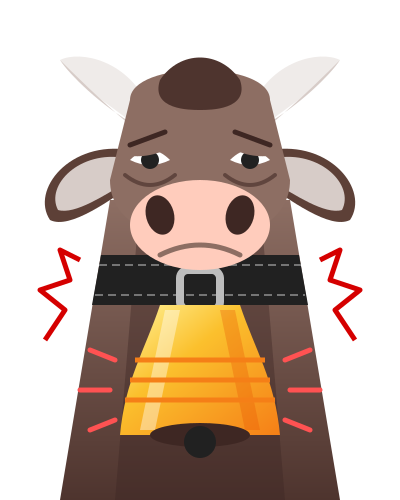
Hear it yourself
Imagine hearing this noise 24 hours a day, 7 days a week.
How Loud Are Cowbells?
At 20 cm (the distance between a cowbell and the cow's ear), noise levels reach 90-113 dB. This exceeds legal workplace noise limits in most countries. [Source]
Studies: Bells Alter Cow Behavior
Researchers at ETH Zurich conducted two studies to investigate how cowbells affect cattle behavior and health:
2015 Study: Effects of Cowbells
Johns et al., PLOS ONE (2015) · 19 Brown-Swiss cows · 3 days per treatment
ETH researchers investigated how wearing cowbells affects dairy cow behavior. They compared cows without bells to cows wearing functional bells (5.5 kg, 90–113 dB).
* statistically significant
Key finding: Lying (day 3)
Only the functional bell (with noise) reduced lying time – by almost 4 hours on day 3. This suggests a delayed, cumulative effect of noise.
No habituation observed after 3 days
The study shows: Cows do not habituate to bells. Weight alone significantly impairs feeding and rumination. Noise additionally reduces lying time.
2017 Follow-up: Long-term Effects of Bell Exposure
Johns et al., Frontiers in Veterinary Science (2017) · 96 cows · 24 Swiss farms
Two years later, the researchers investigated whether cows with regular bell experience react differently to acoustic stimuli than cows without bell experience.
Normal avoidance reaction to unfamiliar sounds (pink noise at 65 & 85 dB)
67% less avoidance reaction to unfamiliar sounds (pink noise at 65 & 85 dB)
Interpretation
"Altered acoustic perception"
Cows that regularly wear bells show an altered response to acoustic stimuli. The researchers recommend bells with lower amplitude.
Researcher recommendation
Use of bells with lower amplitude
Source: Johns J, Masneuf S, Patt A, Hillmann E (2017) Frontiers in Veterinary Science
Ceremonial Cruelty
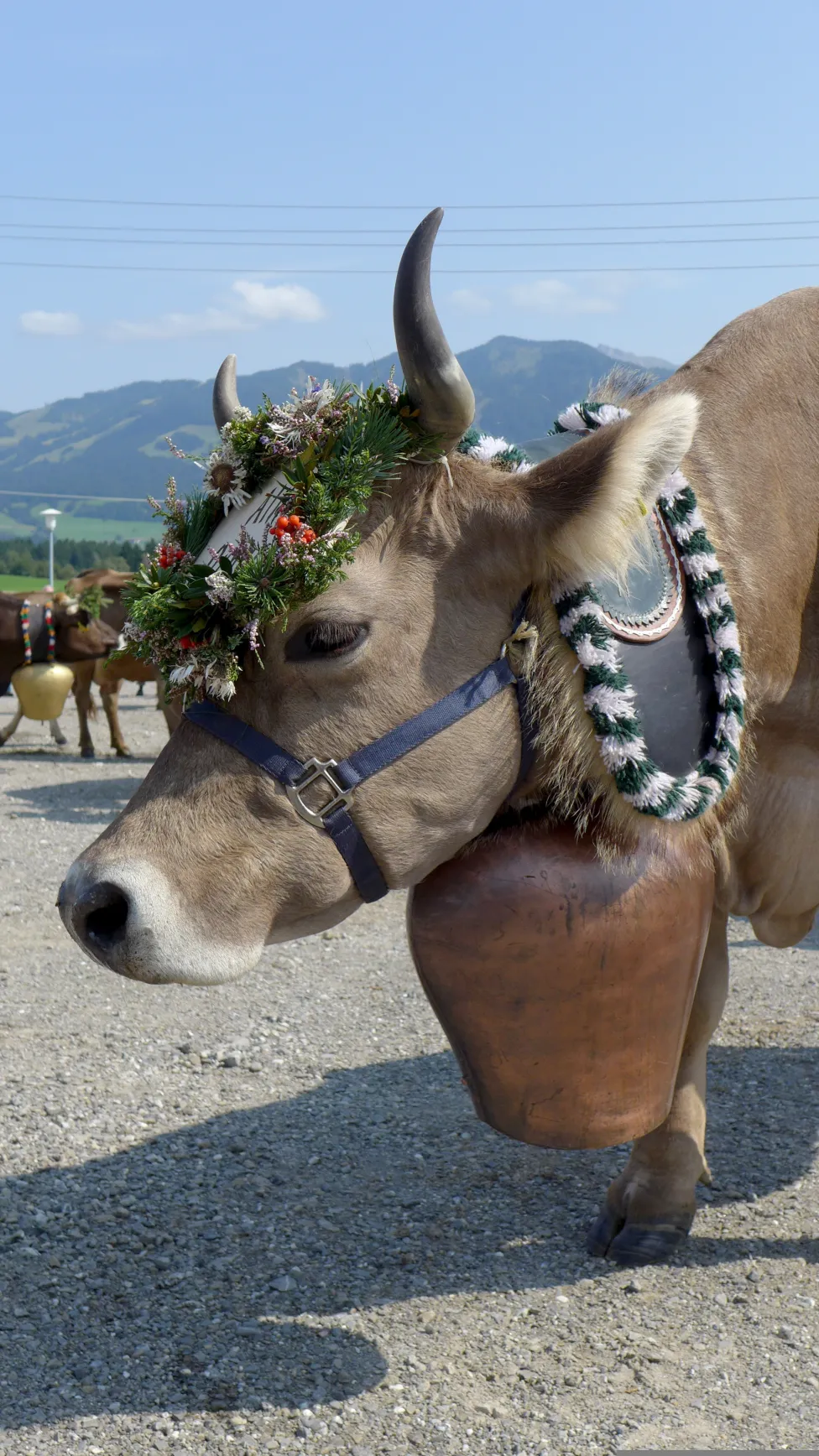
The Kranzkuh leads the herd with an oversized ceremonial bell
The Almabtrieb: When Tradition Amplifies Suffering
Each autumn, the Almabtrieb (also called Viehscheid in the Allgäu) marks the ceremonial descent of cattle from alpine pastures. Thousands gather to watch as decorated cows parade through villages. But behind the festive atmosphere lies an overlooked cruelty.
The lead cow, called the Kranzkuh ("wreath cow"), is forced to wear an extra-large ceremonial bell that can weigh 5–8 kg or more. These oversized bells produce even louder noise and place significant strain on the animal's neck.
Adding to the stress, the Almabtrieb is a crowded public event with hundreds to thousands of cheering spectators, music, and commotion – an overwhelming environment for animals accustomed to quiet alpine pastures.
Weight of the ceremonial bell hung from the Kranzkuh's neck, carried for hours during the Almabtrieb
Community Impact: Beyond the Pastoral Idyll
While cowbells may evoke romantic images of Alpine meadows, the reality for nearby residents is constant noise pollution throughout the grazing season. The sound that tourists find charming becomes a daily burden for those who live with it.
Health Consequences for Residents
WHO Health Impact Thresholds
Source: WHO Environmental Noise Guidelines for the European Region (2018)
Chronic Sleep Deprivation: 6 Months of Disrupted Rest
During grazing season, residents near Alpine pastures experience constant bell noise from early morning until dusk, sometimes through the night when cattle graze nearby. Unlike traffic noise that follows predictable patterns, cowbells ring irregularly, making it impossible to adapt.
Chronic sleep deprivation health risks:
- Heart disease
- Obesity
- Diabetes
- Weakened immunity
- Depression
- Anxiety
- Memory problems
- Reduced focus
Adults need 7+ hours of quality sleep per night. CDC Sleep Guidelines
Cowbells in Court: 50 Years of Noise Disputes Across the Alps
Since 1975, cowbell noise has triggered at least 15 legal disputes across Germany, Austria, Switzerland, and France. Here is an overview of the documented cases.
Bells Restricted or Banned
Erlkam, Upper Bavaria
Miesbach district court issued an injunction banning bells within 100m of a residence between 7pm–7am. The resident measured noise at 109 dB, equivalent to a pneumatic drill, while local limits are 60 dB (day) and 45 dB (night). Violations carry a €250,000 fine or 6 months jail.
Stallhofen, Austrian Alps
Judge ruled that cattle with bells in fenced meadows "disturbs the nocturnal peace of neighbors" and ordered bells removed. The court rejected claims that bells are a traditional feature of rural areas.
Zurich Oberland
Court inspection found "even at 80 metres, residents were exposed to loud noise." A complete ban was ordered. The farmer had appealed a nighttime-only restriction, but the court imposed a total prohibition instead.
Holzkirchen, Bavaria
After 5 years of litigation, a settlement was reached in May 2020. The couple sued citing sleep deprivation and depression. OLG München dismissed appeals (April 2019), and BGH rejected further appeal. Final settlement: only 3 cows may wear bells, and only in a designated area of the meadow away from the property line.
Zwischenwasser, Vorarlberg
A vacation rental owner sued because guests were leaving early due to cowbell noise. The hotelier's lawyer cited ETH Zurich research showing bells reach 100–110 dB. Settled out of court: cows received GPS trackers instead of bells.
Canton Aargau
Court ruled it was wrong to exclude cowbells from nighttime noise regulations. The farmer must now remove bells after 10pm.
Appenzell – Federal Court
The Swiss Federal Court ruled that nighttime rest is an "essential protected good" and banned cowbells on fenced pastures from 8pm to 7am. The court found that bells on fenced pastures serve no locating purpose.
Menden, Sauerland
The court ordered the bell removed between 8pm and 7am. Crucially, it ruled that cowbell use is not traditionally customary in the Sauerland – unlike in southern Germany.
Malrevers, Haute-Loire
A veterinarian couple complained about nighttime noise from 40 cows with bells. A noise report confirmed levels exceeding environmental standards. The farmer was ordered to remove the bells. The case contributed to a 2021 French law protecting the "sensory heritage" of the countryside.
Complaints Dismissed or Withdrawn Under Pressure
Holzkirchen – Before the BGH
Before the 2020 settlement, the couple had lost at four court levels: LG Munich II and OLG Munich both dismissed their claims. The BGH (Federal Court of Justice) rejected their appeal, refusing to treat cowbell noise as a matter of national legal significance. The court found that in rural Bavarian communities, cowbells are "socially appropriate."
Greiling, Upper Bavaria
Neighbors sued over 4-6 young cattle with bells on an adjacent pasture. Despite measured peaks of 82 dB, the Wolfratshausen court found only "minor impairment." The court argued that cowbells are socially appropriate in the "clearly agriculturally characterized" community.
Aarwangen, Canton Bern
Two newly-moved couples complained about nighttime bell noise. The village responded with a pro-bell vote (only 4 dissenting votes) and a petition with 1,100 signatures. One couple moved away, the other withdrew the complaint.
Modern Alternatives Exist
Technology solutions for tracking cattle without the noise
In 2015, animal rights activists including the German Animal Welfare Society called for a ban on cowbells in Bavaria. The campaign generated significant media attention but was rejected by the Bavarian government.
Agriculture Minister Helmut Brunner dismissed the concerns, arguing that electronic tracking technology was "not yet technically mature and still in the trial phase."
That was more than 10 years ago. Today, GPS collars, virtual fencing systems, and drone monitoring are mature, commercially available technologies used by farmers worldwide. The minister's objection is now obsolete.
Source: The Local (2015)
GPS Collars & Virtual Fencing
Wearable tracking systems designed for alpine and mountain grazing
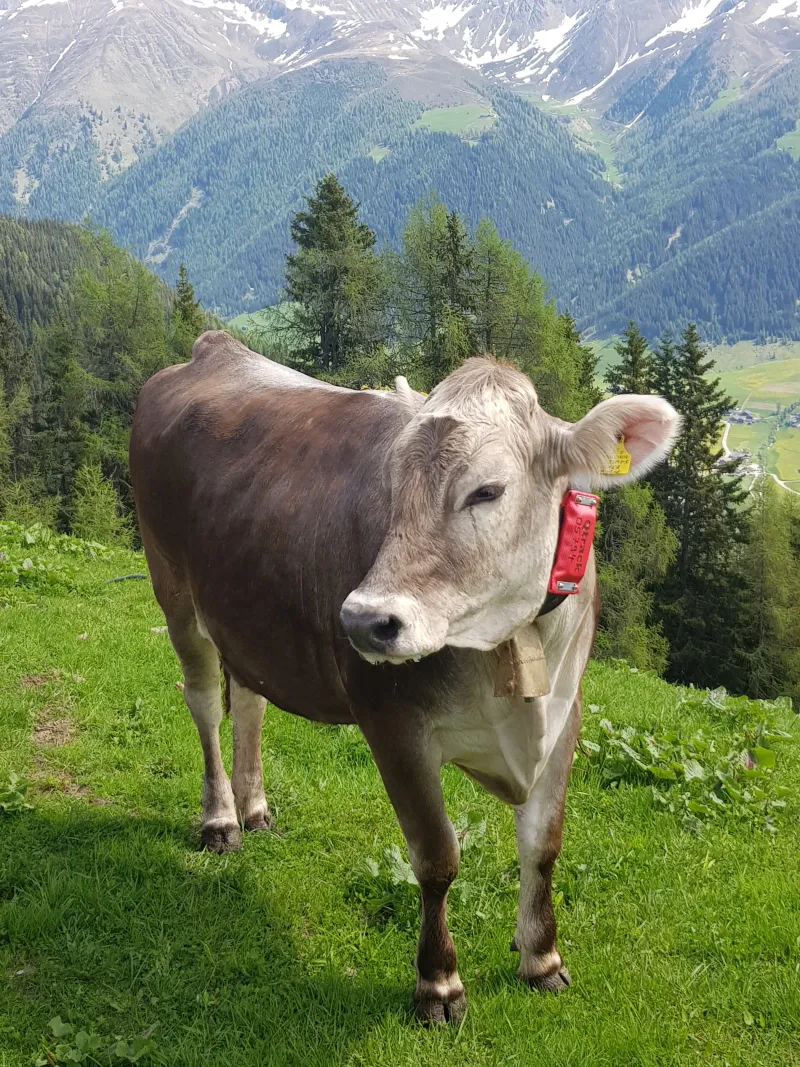
Qtrack Q4
GPS Tracker
Lightweight GPS tracker (150g) from Austria, designed for alpine grazing. LTE tracking with up to 3m accuracy, geofencing alerts.
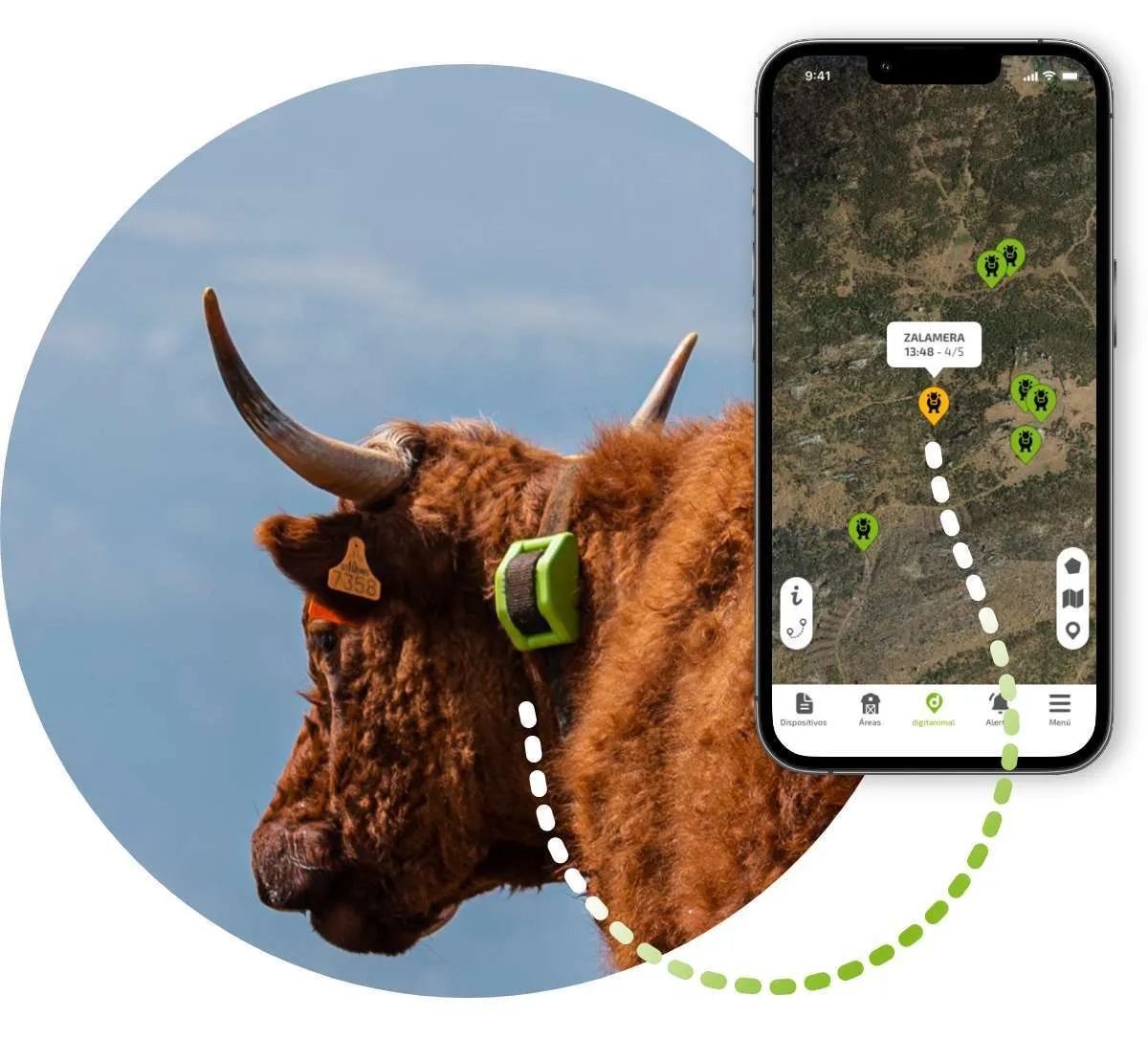
Digitanimal
GPS Collar
Lightweight collars (265g) for extensive mountain grazing. Satellite tracking without cell coverage.
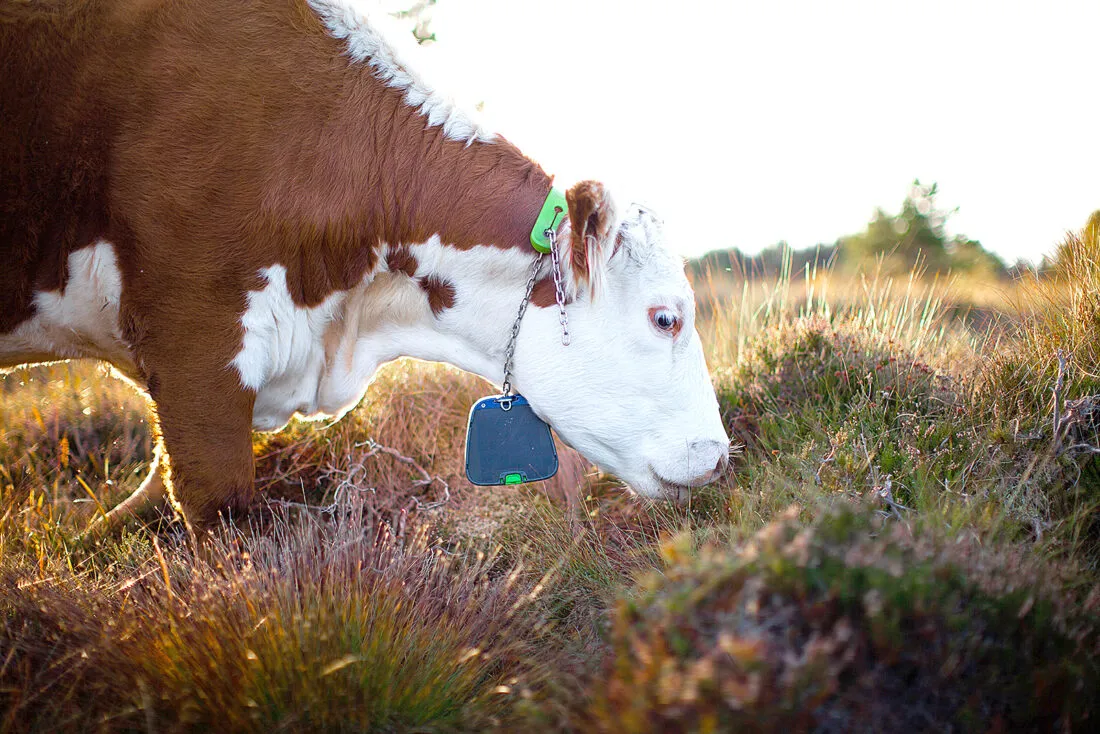
Nofence
Virtual Fencing
World's leading virtual fencing system with over 150,000 collars deployed. Solar-powered with herd-to-herd communication.
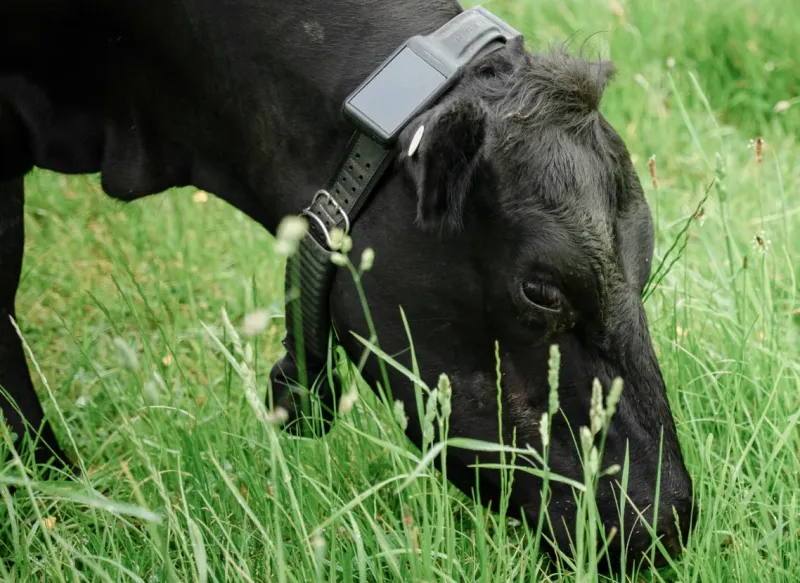
Halter
Virtual Fencing
Solar-powered smart collars from New Zealand. Over 11,000 miles of virtual fencing deployed, GPS tracking and health monitoring.
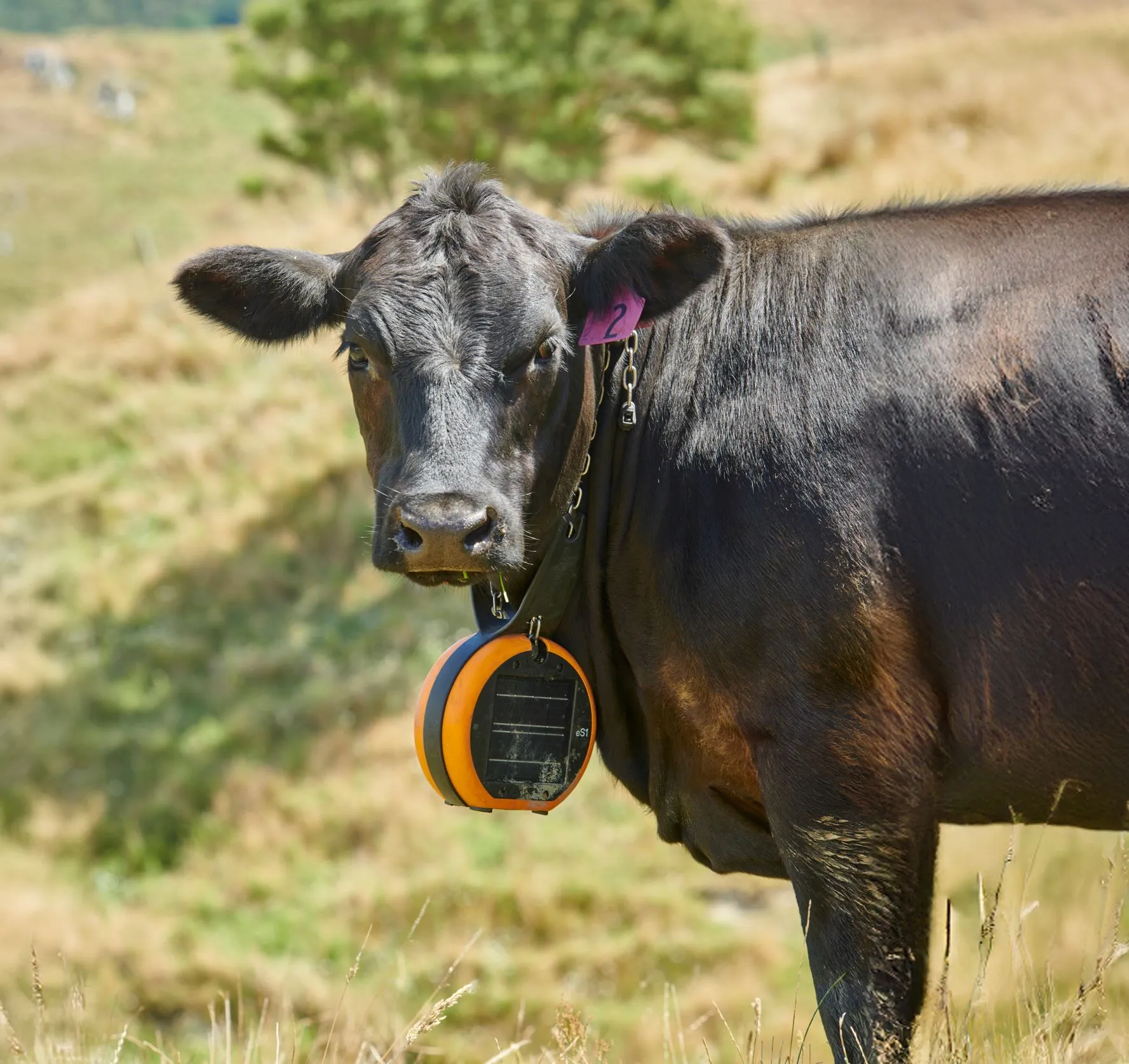
Gallagher eShepherd
Virtual Fencing
Solar-powered neckbands with 7-year battery. Audio cues guide cattle away from virtual boundaries.
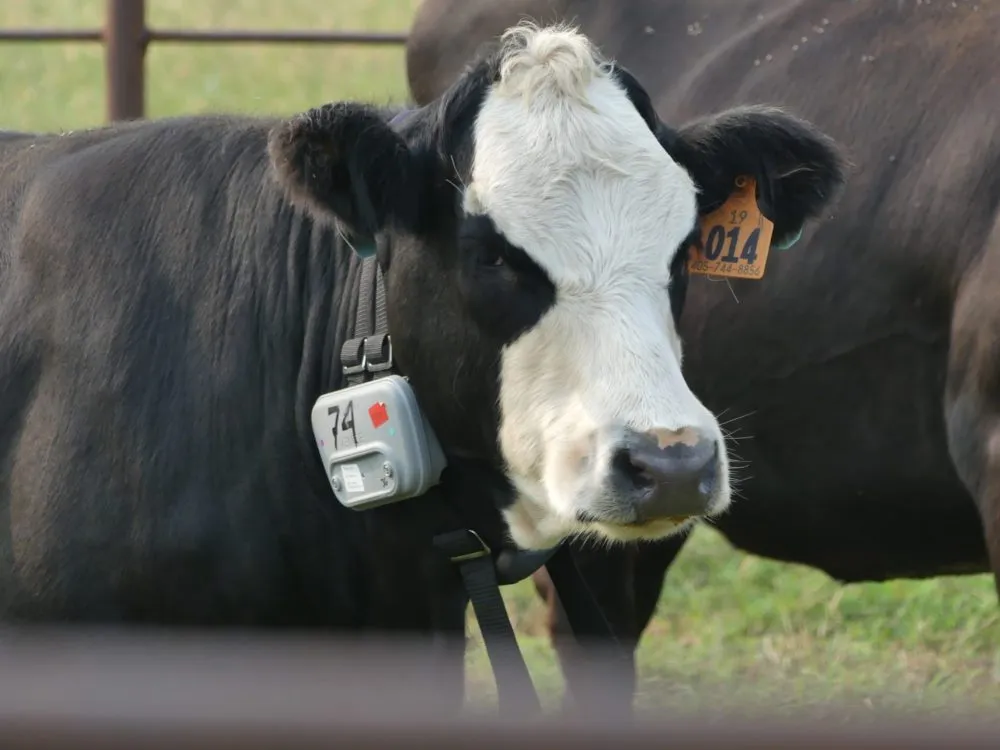
Vence
Virtual Fencing
Audio cues guide cattle from virtual boundaries. Base station connects collars across large pastures.
Drone Monitoring
Aerial surveys to locate and count livestock without devices on animals
How It Works
- 1. Drones equipped with thermal and visual cameras fly over pastures
- 2. Thermal imaging detects cattle even in dense terrain or fog
- 3. AI can automatically count and identify animals
- 4. No collars, tags, or devices needed on the animals
Benefits for Alpine Grazing
- • Survey large mountain areas in minutes vs. hours on foot
- • Find missing or injured animals quickly
- • Monitor grazing patterns and pasture usage
- • Reduced labor costs and improved safety
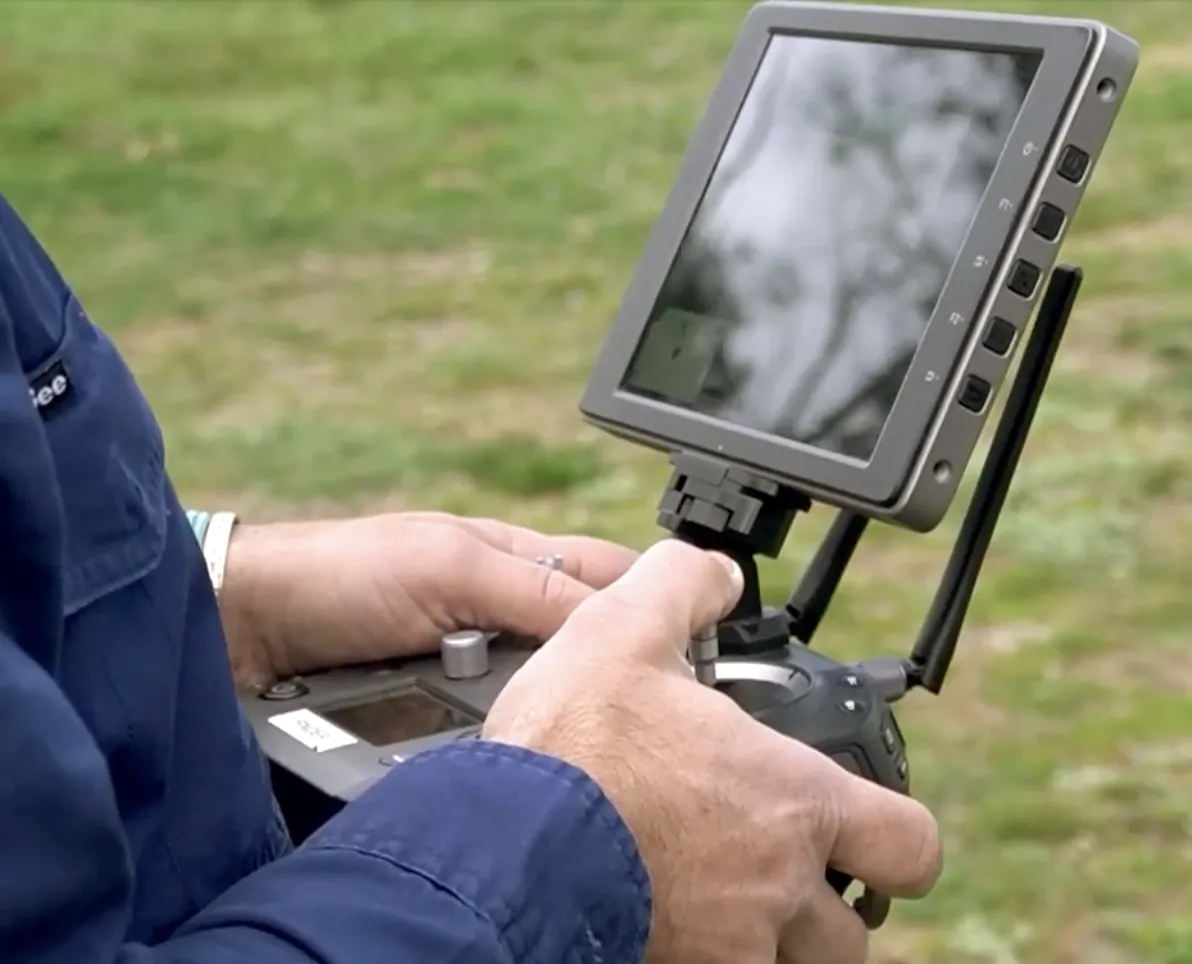
Wildlife Drones
Ag Drones Platform
Drone + tag system for real-time tracking. Rapid search for stolen or missing animals across large areas.
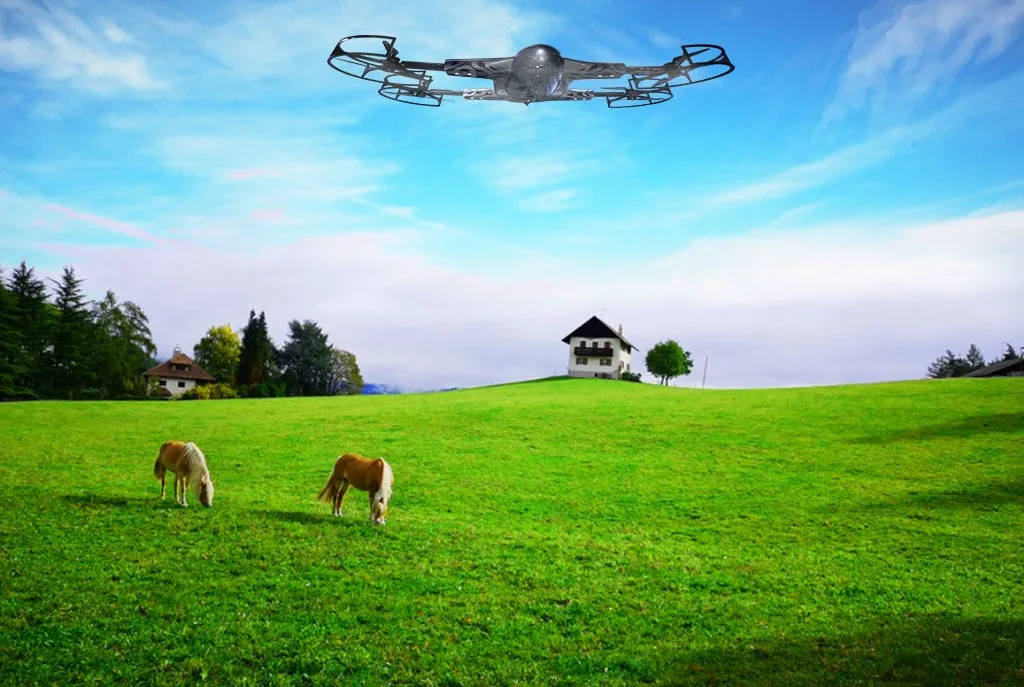
ZenaDrone
Livestock Management
Autonomous monitoring of livestock, water points, and fences. Multi-sensor platform for farm operations.
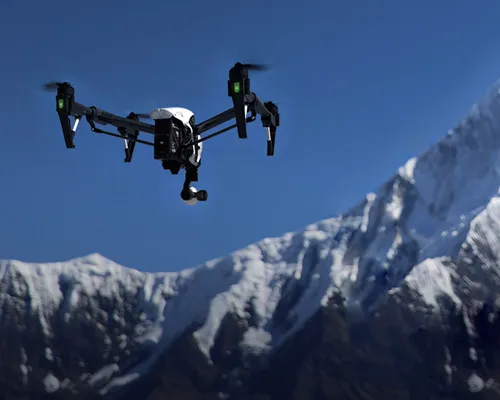
Consumer Drones
DJI, Autel, Parrot
Models like DJI Mavic 3 (46 min flight) or Autel EVO II Pro (thermal imaging) work well for cattle monitoring.
Frequently Asked Questions
Isn't this just an attack on tradition?
▼
Traditions evolve as our understanding grows. Many practices once considered normal, like fur farming, were abandoned when we recognized the harm they caused. Cowbells served a practical purpose before GPS and modern tracking, but we now have better alternatives that don't compromise animal welfare.
Wouldn't this be too expensive for farmers?
▼
GPS collars are now affordable and reliable. Models like Digitanimal cost 150–220 EUR per head with an annual fee for software and support. LoRaWAN-based collars cost around 90 EUR with no subscription (but require a base station). Prices continue to fall as adoption grows.
For comparison: a quality alpine cowbell with leather strap costs 80–200+ EUR each but offers zero tracking capability. GPS collars provide real-time location via smartphone, geofencing, and health monitoring. Many farms in Switzerland and Austria are already using this technology successfully.
Is there really scientific evidence of harm?
▼
Yes. Peer-reviewed studies published in journals like PLOS ONE and Frontiers in Veterinary Science have documented that bell-wearing cows show reduced feeding and rumination times, with no evidence of habituation even after months of exposure. The noise levels (90-113 dB) exceed occupational safety limits for humans.
What about the economic impact on tourism?
▼
While cowbells are part of Bavaria's pastoral image, they are not essential for tourism. Visitors come for the Alps, the food, the culture, and the landscapes, not specifically to hear bells. Farms could display bells as heritage artifacts while using gentler tracking methods in practice. Germany could position itself as a pioneer for sustainable and animal-friendly tourism in the Alps, as well as scientifically progressive on animal welfare.
Has any region successfully banned cowbells?
▼
Over 50 years, at least 15 legal disputes over cowbell noise have been documented across Germany, Austria, Switzerland, and France. In 8 cases, courts ordered bells restricted or removed. 4 ended in compromise (including a GPS replacement in Vorarlberg). 6 were dismissed – mainly in rural Bavarian communities. Regardless of outcome, the sheer number of cases proves bell noise is a real, cross-border problem. In Switzerland, over 1,000 cattle already wear GPS devices on alpine pastures. What's missing is a clear legal framework making this transition mandatory for all subsidized alpine pastures.
Summary
Animal Suffering
- 53,000 cattle wear bells on Bavarian alpine pastures for up to 6 months each year
- Bells produce 90–113 dB at ear level, equivalent to a chainsaw or rock concert
- Cattle have superior hearing sensitivity and studies show they do not habituate to the noise
- Scientific studies show bells cause reduced feeding, less rumination, and abnormal head movements
Community Impact
- Residents near grazing areas report sleep deprivation and health issues
- WHO guidelines set nighttime noise limits at 40 dB, yet cowbells exceed this by 50–70 dB
- Courts across Bavaria, Austria, and Switzerland have ordered bells removed in multiple cases
- Tourism operators have sued over guests leaving early due to noise
The Solution
In 2015, the Bavarian government rejected a bell ban, claiming GPS technology was "not yet mature." That was more than 10 years ago. Today, GPS collars, virtual fencing, and drone monitoring are commercially available and used by farmers worldwide.
We call on the German Bundestag to legislate a binding phase-out of cowbells on subsidized alpine pastures by 2030 in the Tierschutz-Nutztierhaltungsverordnung – with GPS tracking as the animal-welfare-compliant alternative.